Why I always start a brand with a single constraint
Every strong brand identity has a core rule that everything else bends around. Here's how I find it — and why it makes the rest of the work easier.
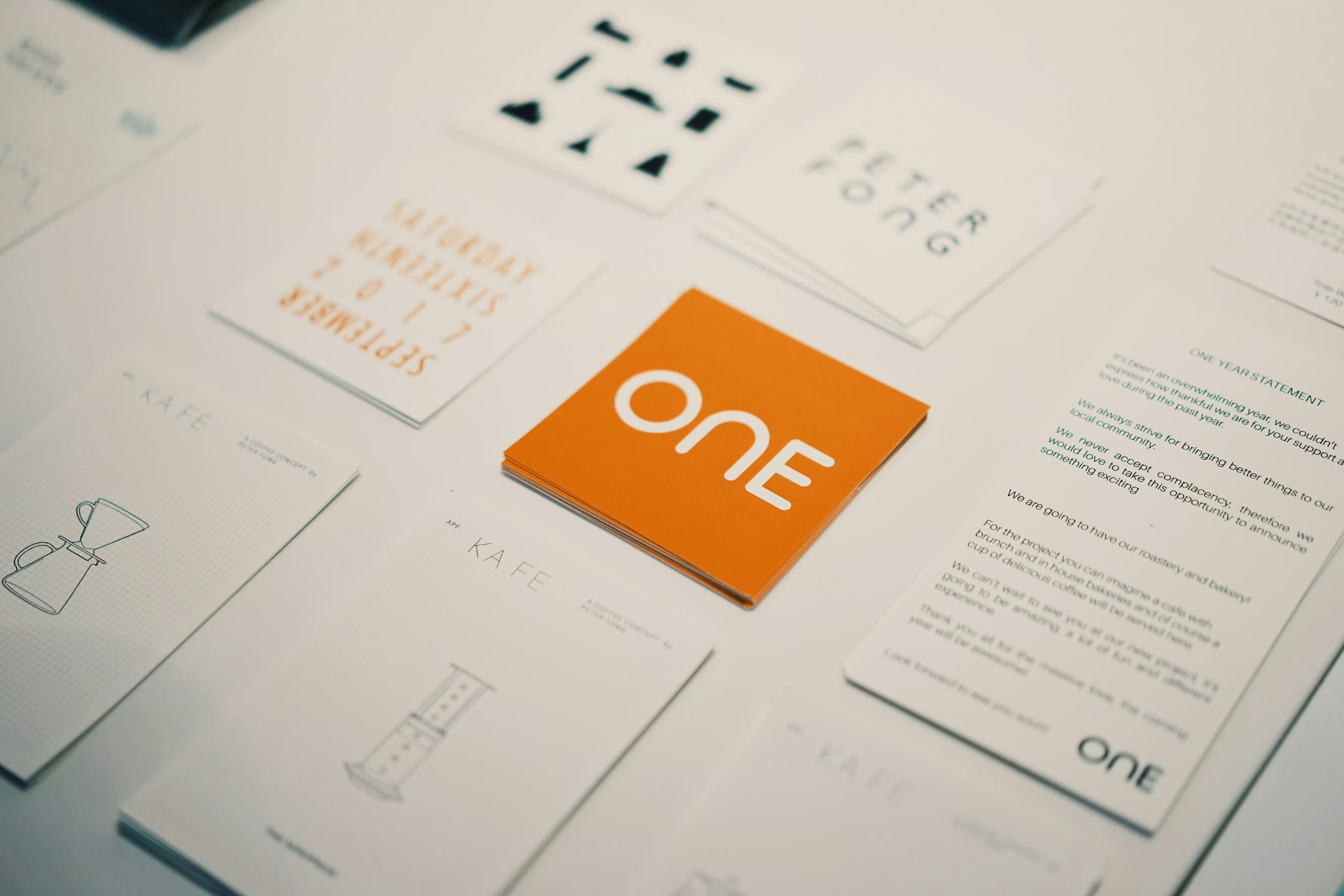
When I start a brand identity project, I'm not looking for a color palette or a typeface. I'm looking for a constraint — one rule that, once set, makes every subsequent decision easier.
What a constraint looks like
A constraint isn't a mood board keyword like "bold" or "modern." It's a specific, testable rule. Something like: this brand never uses more than two weights of a single typeface, or every layout must have at least 40% white space, or the primary color appears in every single asset, always at the same weight.
The constraint comes from the brand's positioning, not from aesthetic preference. A law firm and a street wear label might both want to look "premium" — but the constraint that defines premium for each of them is completely different.
Why constraints produce better work
Design without constraints produces decoration. When anything is possible, you end up making decisions based on taste rather than logic, and the results feel arbitrary. A strong constraint gives you a reason — and a reason makes the work defensible, consistent, and easier to extend.
It also makes client conversations easier. Instead of defending a color choice on aesthetic grounds, you can defend it as a direct consequence of a decision the client already agreed to.
Finding the constraint
I look for it in the brief — specifically in the tension between what the brand wants to project and who it's projecting it to. Every strong brand has a slight contradiction at its core. A luxury brand that's also accessible. A technical product that's also approachable. The constraint usually lives in how you resolve that tension visually.
Once you find it, write it down. Make it a sentence. If you can't say it in a sentence, it's not specific enough.